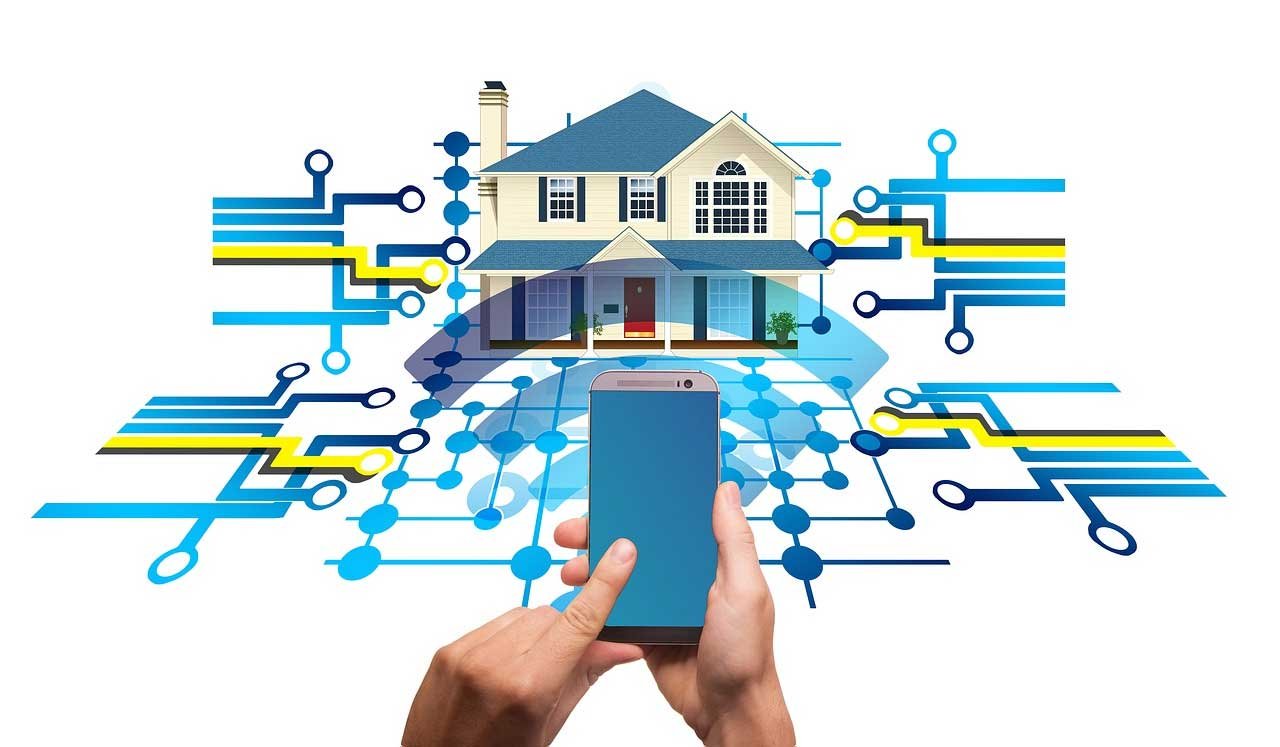
Technology has transformed nearly every aspect of modern life, and one of its most noticeable impacts can be seen in the rise of smart homes. What was once considered a futuristic concept is now becoming a practical reality for millions of households around the world. Smart home technology allows homeowners to control lighting, security systems, appliances, entertainment devices, and even energy consumption through smartphones, voice assistants, or automated schedules.
As internet connectivity, artificial intelligence (AI), and the Internet of Things (IoT) continue to evolve, smart homes are becoming more intelligent, efficient, and accessible. They offer greater convenience, enhanced security, improved energy management, and a more comfortable living environment. While there are still challenges such as privacy concerns and compatibility issues, the benefits continue to drive widespread adoption.
This article explores how smart homes work, their key technologies, advantages, challenges, practical applications, and what the future may hold for connected living.
What Is a Smart Home?
A smart home is a residence equipped with internet-connected devices that can communicate with one another and be monitored or controlled remotely. These devices collect information, respond to user commands, and often automate routine household tasks.
Unlike traditional homes, where each appliance operates independently, smart homes create an interconnected environment where multiple devices work together to improve convenience and efficiency.
For example, a homeowner can adjust the thermostat, lock doors, switch off lights, monitor security cameras, or start a washing machine using a smartphone app—even while away from home.
How Smart Home Technology Works
Smart homes rely on several technologies working together:
Internet of Things (IoT)
The Internet of Things refers to everyday devices connected to the internet. These devices exchange information and perform automated actions based on user preferences or sensor data.
Examples include:
- Smart lights
- Smart thermostats
- Smart door locks
- Smart speakers
- Smart TVs
- Smart refrigerators
- Smart washing machines
- Smart security cameras
Wireless Connectivity
Most smart devices communicate using Wi-Fi, Bluetooth, Zigbee, Z-Wave, or similar wireless technologies. This allows devices to interact without extensive wiring.
Artificial Intelligence
Many smart home systems use AI to learn user habits over time. For example, a thermostat may automatically adjust temperatures based on daily routines, while voice assistants recognize natural language commands and answer questions.
Mobile Applications
Most smart home devices include mobile apps that allow users to control and monitor their homes from anywhere with an internet connection.
Key Features of Smart Homes
Smart Lighting
Smart lighting systems allow homeowners to control brightness, colors, and schedules remotely. Lights can automatically turn on when someone enters a room or switch off when no movement is detected, reducing unnecessary energy use.
Smart Security Systems
Security is one of the biggest reasons homeowners adopt smart technology.
Common smart security devices include:
- Video doorbells
- Motion detectors
- Smart locks
- Security cameras
- Window and door sensors
- Alarm systems
These devices send real-time alerts to smartphones, allowing homeowners to monitor their property even while traveling.
Smart Climate Control
Smart thermostats automatically regulate heating and cooling based on occupancy, weather conditions, or user preferences.
Benefits include:
- Lower energy bills
- Improved indoor comfort
- Reduced energy waste
- Remote temperature control
Smart Appliances
Modern appliances can perform tasks more efficiently while offering remote monitoring and control.
Examples include:
- Refrigerators that monitor food storage
- Ovens controlled through mobile apps
- Robot vacuum cleaners
- Smart washing machines
- Coffee makers with programmable schedules
These appliances save time and simplify everyday household routines.
Smart Entertainment
Entertainment systems are also becoming increasingly connected.
Homeowners can:
- Stream music throughout the house
- Control televisions using voice commands
- Create multi-room audio systems
- Manage home theaters from a smartphone
This creates a more personalized entertainment experience.
Benefits of Smart Homes
Greater Convenience
One of the biggest advantages of smart homes is convenience. Routine tasks can be automated, reducing the need for manual operation. Voice commands and mobile apps make controlling household devices simple and efficient.
Improved Energy Efficiency
Smart devices help reduce electricity consumption by automatically switching off unused lights, adjusting heating and cooling systems, and monitoring energy usage.
Lower energy consumption benefits both homeowners and the environment.
Enhanced Security
Real-time monitoring provides homeowners with greater peace of mind. Instant notifications about unusual activity allow quicker responses to potential security concerns.
Increased Comfort
Smart homes can automatically adjust lighting, room temperature, and entertainment settings based on personal preferences, creating a more comfortable living environment.
Accessibility
Smart home technology can significantly improve daily life for older adults and individuals with disabilities. Voice-controlled devices, automated lighting, and remote-controlled appliances support greater independence and safety.
Challenges of Smart Homes
Although smart homes offer many advantages, several challenges remain.
Privacy Concerns
Many smart devices collect user data to improve performance. Homeowners should understand how this information is stored, used, and protected by manufacturers.
Cybersecurity Risks
Internet-connected devices may become targets for cyberattacks if not properly secured. Using strong passwords, enabling two-factor authentication, and regularly updating device software can help reduce risks.
Compatibility Issues
Not all smart devices are compatible with every smart home platform. Before purchasing new products, homeowners should verify that they work together within the same ecosystem.
Initial Cost
Building a complete smart home system may require a significant upfront investment. However, many homeowners find that long-term energy savings and increased convenience help offset these costs over time.
The Future of Smart Homes
The future of smart homes looks increasingly connected and intelligent. Advances in AI, machine learning, and IoT are expected to make home automation even more responsive and personalized.
Future developments may include:
- More advanced voice assistants
- Predictive home automation based on user behavior
- Better energy management systems
- Integration with renewable energy sources
- Smarter healthcare monitoring at home
- Enhanced security powered by AI
As technology becomes more affordable, smart home features are likely to become standard in many new homes.
Tips for Building a Smart Home
If you are considering creating a smart home, start with a few essential devices before expanding your system.
Good starting points include:
- Smart speakers
- Smart light bulbs
- Smart plugs
- Smart thermostats
- Video doorbells
- Smart security cameras
Choose products from reputable manufacturers, keep software updated, and use secure network settings to protect your devices.
Conclusion
Smart homes are transforming everyday living by making households more connected, efficient, and convenient. Through the integration of internet-connected devices, artificial intelligence, and automation, homeowners can improve security, reduce energy consumption, simplify daily tasks, and enjoy greater comfort.
While challenges such as privacy, cybersecurity, and compatibility require careful consideration, the advantages of smart home technology continue to encourage widespread adoption. As innovation continues and devices become even smarter, connected homes are expected to play an increasingly important role in modern lifestyles.
The rise of smart homes is more than a technological trend—it represents a shift toward intelligent living, where everyday tasks become easier, homes become more energy-efficient, and people gain greater control over their living environments. As these technologies continue to evolve, smart homes are set to become an essential part of the connected future.
