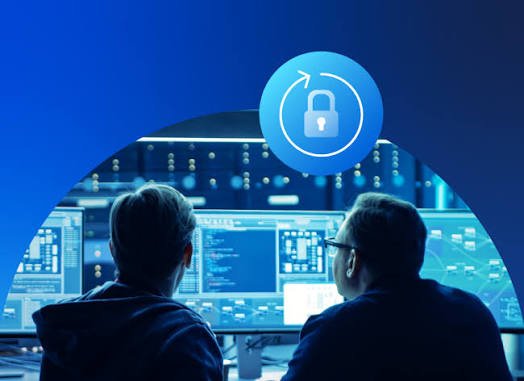
As digital technology continues to shape how people live, work, communicate, and conduct business, cybersecurity has become one of the most important aspects of modern life. In 2026, individuals, businesses, educational institutions, healthcare organizations, and governments rely heavily on internet-connected devices and cloud-based services to store and manage valuable information. While these technologies offer convenience and efficiency, they also create new opportunities for cybercriminals to target sensitive data.
Cybersecurity is the practice of protecting computers, mobile devices, networks, software, and digital information from unauthorized access, theft, damage, or disruption. Effective cybersecurity involves a combination of technology, policies, employee awareness, and safe online habits.
This article explains the importance of cybersecurity in 2026, the most common cyber threats, practical ways to protect personal and business data, emerging technologies, and future trends that are shaping the digital security landscape.
What Is Cybersecurity?
Cybersecurity refers to the strategies, technologies, and best practices used to defend digital systems and information from cyberattacks. Its primary goal is to ensure that data remains confidential, accurate, and available only to authorized users.
Cybersecurity covers several areas, including:
- Network security
- Cloud security
- Application security
- Data protection
- Identity and access management
- Mobile device security
- Internet of Things (IoT) security
- Endpoint protection
Together, these security measures help reduce the risk of cyber threats and improve overall digital resilience.
Why Cybersecurity Matters in 2026
Technology has become an essential part of everyday life. People use online banking, digital payment systems, cloud storage, social media, smart home devices, and remote work platforms on a daily basis. Businesses also depend on digital systems to manage operations, communicate with customers, and store sensitive information.
Because so much personal and financial data is stored online, cybercriminals continue to develop more sophisticated attack methods. A successful cyberattack can result in financial losses, identity theft, operational disruptions, legal consequences, and damage to an organization’s reputation.
Strong cybersecurity practices help reduce these risks and protect valuable information.
Common Cyber Threats
Phishing Attacks
Phishing remains one of the most common cyber threats. Attackers send fraudulent emails, text messages, or fake websites that appear legitimate to trick users into revealing passwords, financial information, or other sensitive data.
Warning signs include unexpected requests for personal information, urgent messages, suspicious links, and unfamiliar email addresses.
Ransomware
Ransomware is malicious software that encrypts files and demands payment in exchange for restoring access. It can affect individuals, businesses, hospitals, schools, and government organizations.
Regular backups and updated security software are important defenses against ransomware.
Malware
Malware is a general term for harmful software designed to damage systems, steal information, or disrupt normal operations.
Examples include:
- Viruses
- Worms
- Trojan horses
- Spyware
- Adware
Installing software only from trusted sources and keeping systems updated can reduce the risk of malware infections.
Identity Theft
Cybercriminals may steal personal information such as names, addresses, passwords, or financial details to impersonate victims or commit fraud.
Protecting personal information and monitoring financial accounts regularly can help detect suspicious activity early.
Data Breaches
A data breach occurs when unauthorized individuals gain access to confidential information stored by an organization.
Compromised data may include customer records, employee information, financial details, or medical records. Businesses should use strong encryption, access controls, and continuous monitoring to reduce the likelihood of breaches.
Best Practices for Personal Cybersecurity
Every internet user plays an important role in protecting personal information. Some of the most effective security habits include:
Create Strong Passwords
Use unique passwords that combine uppercase and lowercase letters, numbers, and special characters. Avoid using easily guessed information such as birthdays or common words.
Password managers can help generate and securely store complex passwords.
Enable Multi-Factor Authentication
Multi-factor authentication (MFA) adds an extra layer of security by requiring a second verification step, such as a code sent to a mobile device or generated by an authentication app.
Even if a password is compromised, MFA significantly reduces the likelihood of unauthorized account access.
Keep Software Updated
Software updates often include important security patches that fix newly discovered vulnerabilities.
Regularly updating operating systems, browsers, mobile apps, and antivirus software helps maintain stronger protection.
Be Cautious with Emails and Links
Avoid opening attachments or clicking links from unknown or suspicious sources. Verify unexpected requests before sharing sensitive information.
Secure Home Wi-Fi Networks
Protect wireless networks by using strong passwords, modern encryption standards, and updated router firmware.
Changing default administrator credentials also improves network security.
Cybersecurity for Businesses
Organizations of all sizes should develop comprehensive cybersecurity strategies.
Important measures include:
- Employee cybersecurity training
- Regular security audits
- Data encryption
- Access controls
- Secure cloud services
- Regular backups
- Incident response planning
- Continuous network monitoring
Employees are often the first line of defense, making cybersecurity awareness an essential part of organizational security.
The Role of Artificial Intelligence
Artificial intelligence (AI) is increasingly used to strengthen cybersecurity.
AI-powered security systems can:
- Detect unusual activity
- Identify malware faster
- Analyze large volumes of security data
- Predict potential threats
- Automate routine security tasks
However, cybercriminals are also using AI to create more convincing phishing attacks and automate malicious activities. This ongoing technological competition makes continuous innovation essential.
Cloud Security
Cloud computing remains an important part of modern business operations.
Organizations using cloud services should focus on:
- Strong authentication
- Data encryption
- Secure access management
- Regular security reviews
- Compliance with industry regulations
Shared responsibility between cloud providers and customers is essential for maintaining secure cloud environments.
Internet of Things (IoT) Security
Smart home devices, wearable technology, and connected industrial equipment continue to expand the Internet of Things.
Because many IoT devices connect directly to the internet, they require proper security measures, including:
- Strong passwords
- Firmware updates
- Network segmentation
- Device monitoring
Securing connected devices helps prevent unauthorized access and protects user privacy.
Emerging Cybersecurity Trends
Several important trends are shaping cybersecurity in 2026.
Zero Trust Security
Zero Trust is a security model based on the principle of “never trust, always verify.” Every user and device must continuously prove its identity before accessing systems or data.
Cybersecurity Automation
Automation helps organizations respond more quickly to security incidents while reducing the workload on security teams.
Privacy Protection
As data privacy regulations continue to evolve, organizations are placing greater emphasis on transparent data collection practices and responsible information management.
Quantum-Resistant Encryption
Researchers are developing encryption methods designed to remain secure against future quantum computing capabilities. Although quantum computers are still developing, preparing for future encryption challenges has become an important area of research.
Building a Strong Cybersecurity Culture
Technology alone cannot prevent every cyberattack. Organizations and individuals must also develop strong cybersecurity habits.
Effective cybersecurity culture includes:
- Regular employee training
- Safe password practices
- Prompt reporting of suspicious activity
- Continuous learning about new threats
- Responsible handling of sensitive information
Awareness and education remain among the most effective cybersecurity defenses.
Conclusion
Cybersecurity in 2026 is more important than ever as digital technologies continue to expand across every area of life. Individuals, businesses, and governments all face evolving cyber threats that require constant attention and proactive protection.
By using strong passwords, enabling multi-factor authentication, keeping software updated, recognizing phishing attempts, securing connected devices, and implementing comprehensive security strategies, users can significantly reduce cyber risks.
As technologies such as artificial intelligence, cloud computing, the Internet of Things, and quantum computing continue to develop, cybersecurity will remain an essential part of responsible digital innovation. Organizations that invest in security, education, and continuous improvement will be better prepared to protect valuable information and maintain trust in an increasingly connected world.
Ultimately, cybersecurity is not a one-time task but an ongoing commitment. By combining modern technology with informed user behavior and sound security practices, individuals and organizations can confidently navigate the digital world while safeguarding their data and privacy.
